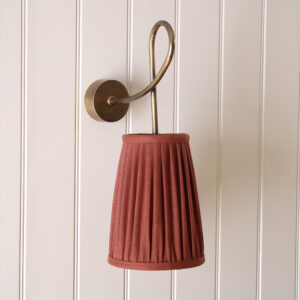

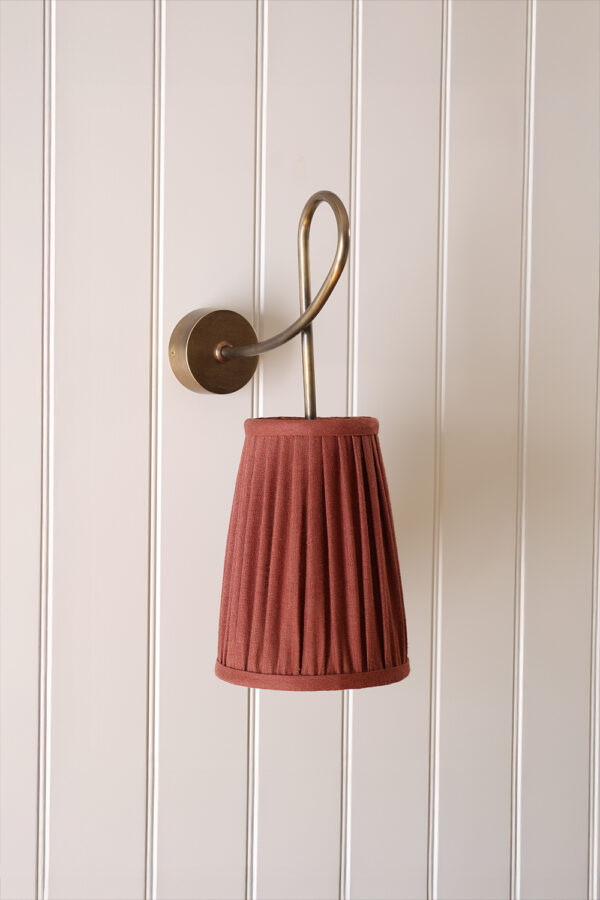
Louis Wall Light

Shown in Plaster

Named after the notorious bell ringer of Notre-Dame, the Quasi lamp is handcrafted by surplus material from the Taco wall light.

Add the Taco wall light to your basket to begin customising your piece.

Finish:

£345.00

Product Code

TL109

Constructed From

Brass with decorative finish

Height

25cm | 4"

Height with shade

34cm | 5 1/4"

Width

5cm | 2 1/2"

Width with shade

7cm | 3"

Bulb information

1 x 700lm (8w) LED E27 GLS

Wattage

25w

Voltage

100v

Follow the links below to view and download specification sheets, 2D and 3D drawings, high res and cut out imagery.


Despatched on a 12 week lead time.

Your order will be carefully packaged and despatched within 12 weeks from the date of your order. Once shipped, you will receive a tracking order number to monitor the progress of your delivery. We work with trusted couriers to ensure your product arrives safely and on time, and we’re always here to help should you have any questions along the way.
Recycled Materials
UK Made

"Creativity takes courage."

Henri Matisse

The Making of the Louis Wall Light

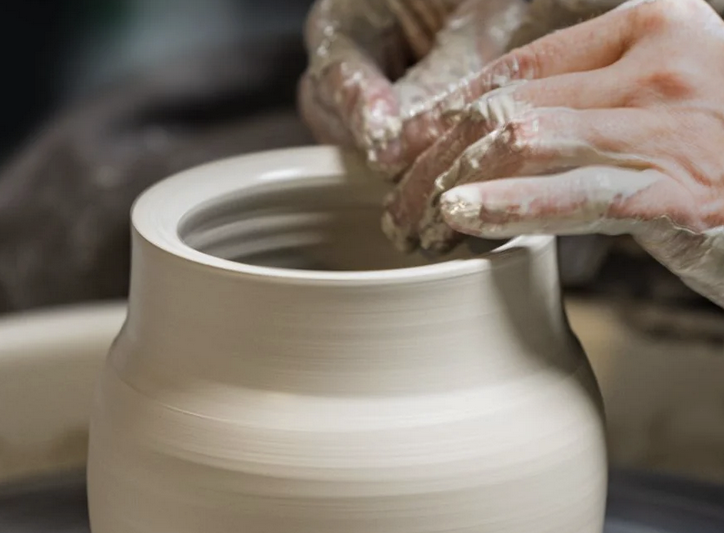
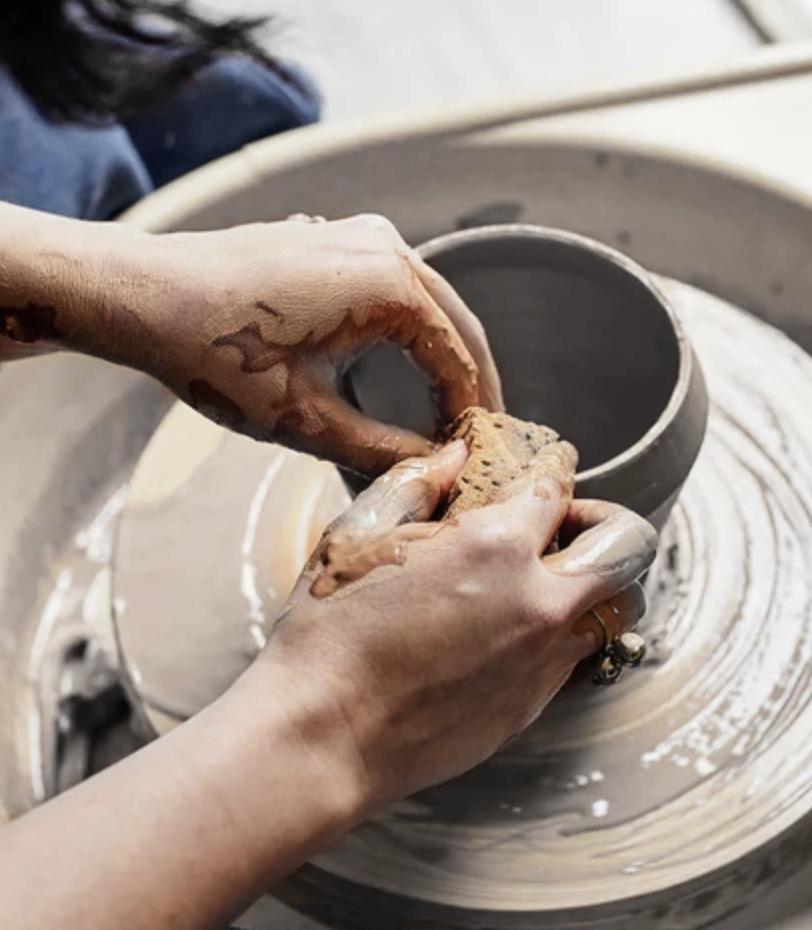
Creating a handcrafted ceramic lamp is a slow, rhythmic dance between the four elements: earth, water, air, and fire. It’s a process that demands both brute strength and extreme delicacy.

Here is the journey of a ceramic lamp, from a lump of raw clay to a glowing centerpiece.

Before the potter even touches the wheel, the clay must be wedged. This is a physical process similar to kneading bread dough. The artist slams and rolls the clay to eliminate air bubbles and ensure a uniform consistency. Using techniques like coiling (stacking ropes of clay) or slab-building (joining flat sheets), the artist creates more sculptural or geometric shapes that a wheel can’t produce. Once shaped, the lamp is left to air-dry until it reaches a state called leather-hard. It feels cold to the touch and has the consistency of hard cheese.

Behind the Scenes

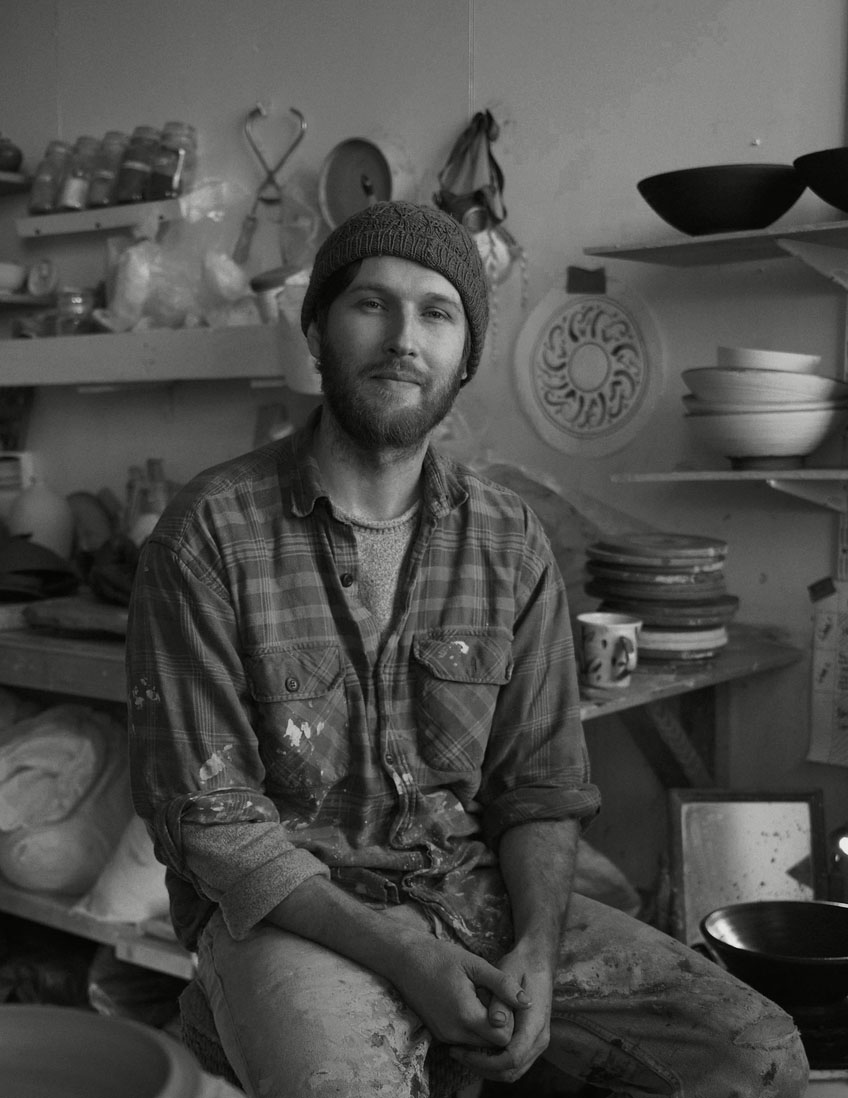
MEET THE MAKER

Daniel Smyth is a Manchester-based ceramicist who works from the quiet, rhythmic center of the potter’s wheel. Raised in Bolton and refined by the heritage landscapes of Kilkenny and the studios of Camberwell, his journey is one of returning to the earth—finding a primary language in the “particularities” of clay.

His practice is a dialogue between the fine artist’s eye and the craftsman’s hands. Moving beyond simple utility, Smyth treats the ceramic form as a living canvas, layered with the echoes of drawing, printmaking, and the alchemy of glaze chemistry. In his hands, the clay is a medium of both immense frustration and deep captivation—a material pushed to its physical limits to find beauty in the balance.

From his studio in Ancoats to the galleries of Manchester and London, Smyth’s work captures the stillness of the craft, bridging the gap between the ancient tradition of the earth and the modern pulse of the city.