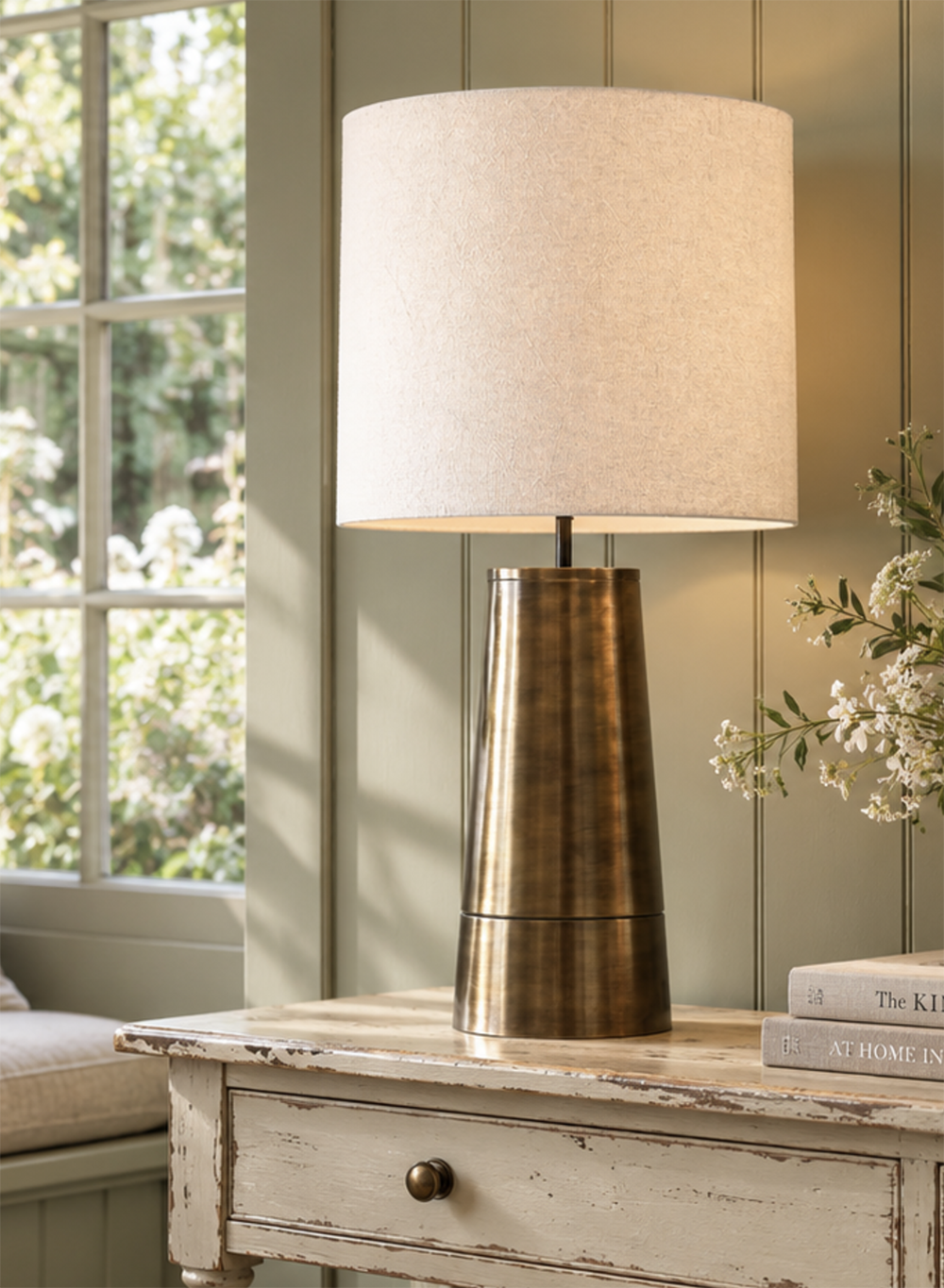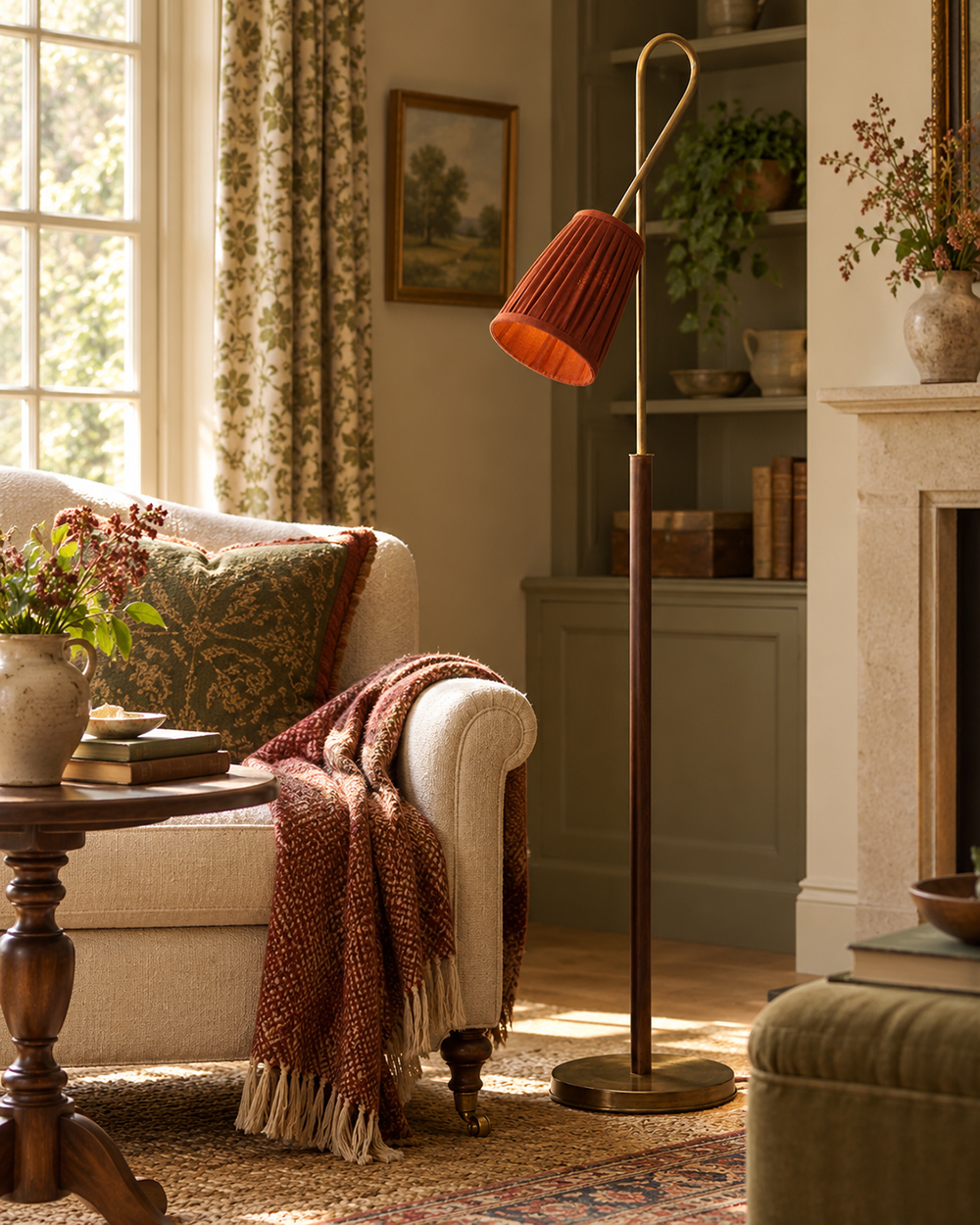

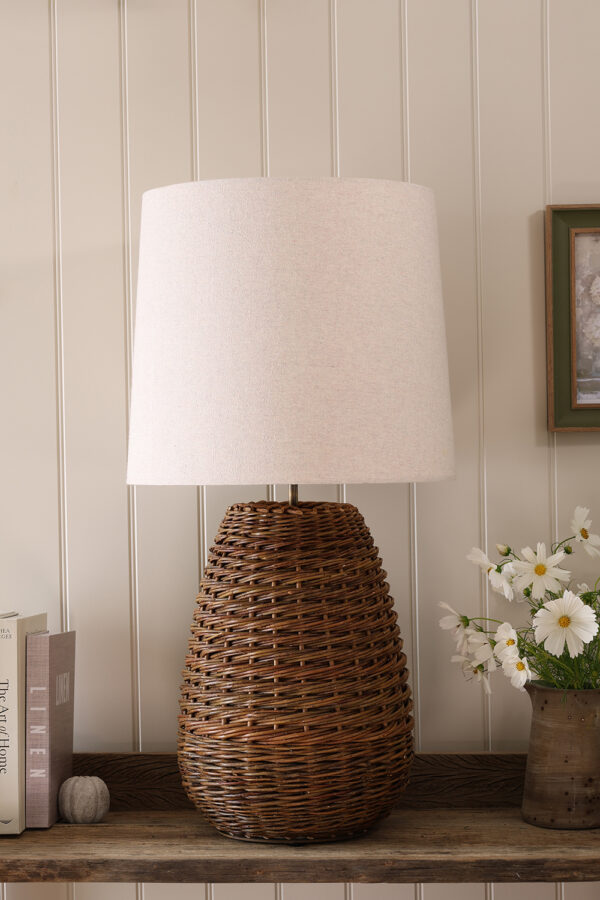
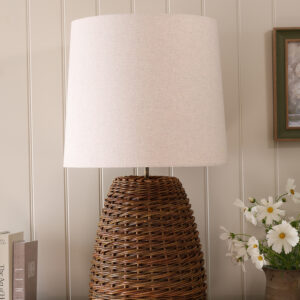
Elder Lamp

Shown in Brickhead with 12" Cylinder in Natural Linen

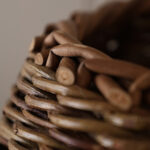
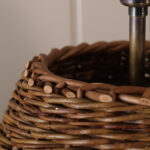
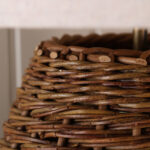
Woven from the flexible, sun-drenched stems of the riverside, this lamp is a tribute to the ancient art of the basket weaver. Each strand of willow is harvested by hand and guided into a delicate dance of geometry and air, creating a vessel that feels less like a product and more like a captured breeze.

Add the Willow lamp to your basket to begin customising your piece.

Finish:

TRADE PRICING

To access pricing, login to your account or sign up to become a Trade Member.

Not a trade customer? Get in touch at hello@tinker-and-fettle.co.uk.
Trade Exclusive, but loved by all

Tinker & Fettle is created for interior designers and design professionals, but our pieces are made to be enjoyed by everyone.

So, if you’re not a trade professional and have fallen for something in our collection for your own home, please get in touch at hello@tinker-and-fettle.co.uk. We’d love to hear from you and would be happy to help.

Get in touch

Product Code

TL003

Constructed From

Hand-woven willow with English Brass Detailing

Height

540mm | 21 1/2"

Height with shade

840mm | 33 1/4"

Width

300mm | 12"

Depth

300mm | 12"

Weight

3.7kg

Bulb information

1 x Globe E27 LED Bulb

Wattage

10W MAX

Voltage

220-240V~

Recommended Shade

17" Thimble

Follow the links below to view and download specification sheets, 2D and 3D drawings, high res and cut out imagery.

Despatched on a 12 week lead time.

Your order will be carefully packaged and despatched within 12 weeks from the date of your order. Once shipped, you will receive a tracking order number to monitor the progress of your delivery. We work with trusted couriers to ensure your product arrives safely and on time, and we’re always here to help should you have any questions along the way.


UK Made UK Made
Profit Share Profit Share
Made to Order Made to Order
Rod & Bolt Rod & Bolt
Natural Materials Natural Materials

"The natural world is the greatest source of excitement; the greatest source of visual beauty."

David Attenborough

The Making of the Wren Lamp

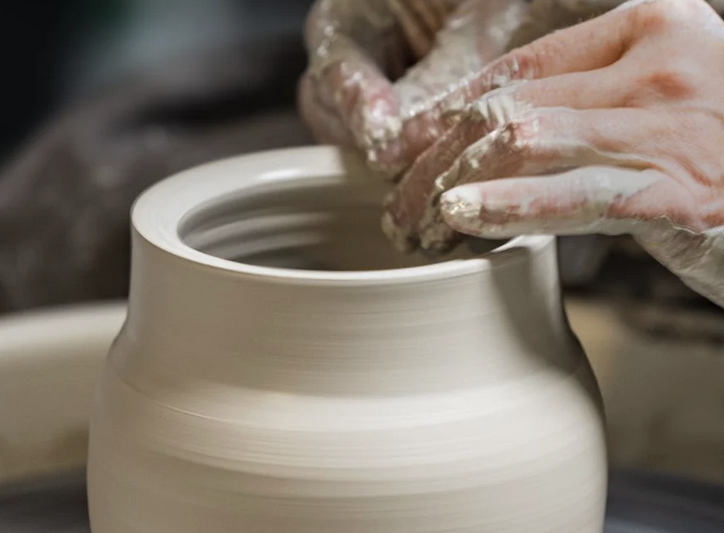
Hands coated in wet clay shaping a Quill Lamp on a potter's wheel.

Creating a handcrafted ceramic lamp is a slow, rhythmic dance between the four elements: earth, water, air, and fire. It’s a process that demands both brute strength and extreme delicacy.

Here is the journey of a ceramic lamp, from a lump of raw clay to a glowing centerpiece.

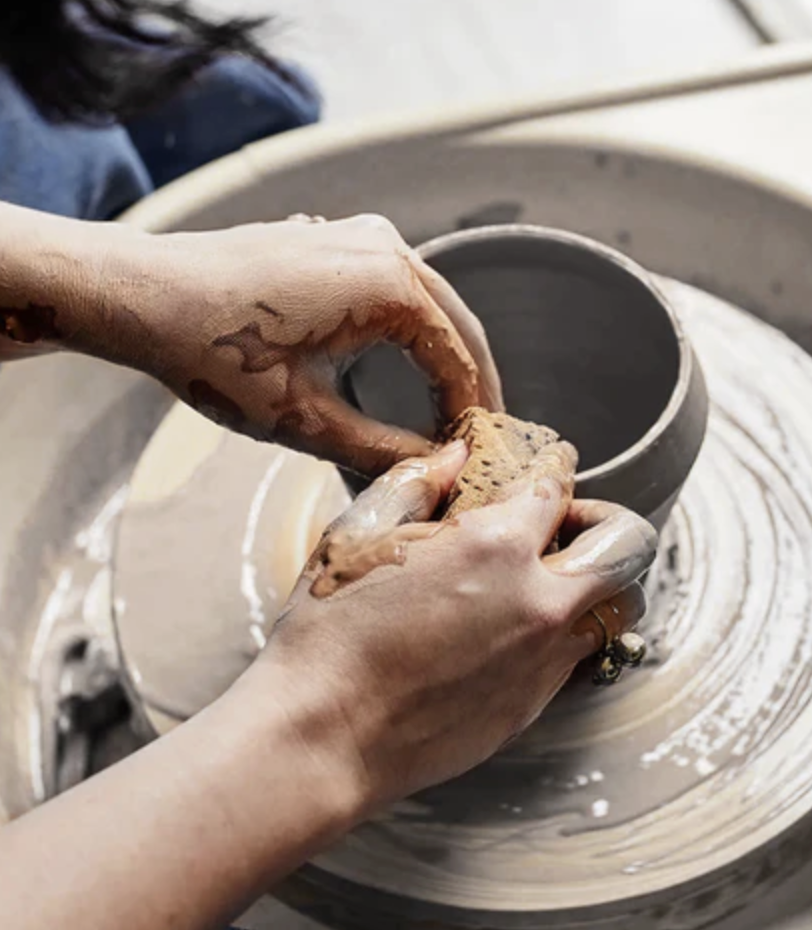
Hands covered in clay use a sponge to shape a cylindrical ceramic vessel on a spinning potter's wheel, forming the base of a Quill Lamp.

Before the potter even touches the wheel, the clay must be wedged. This is a physical process similar to kneading bread dough. The artist slams and rolls the clay to eliminate air bubbles and ensure a uniform consistency. Using techniques like coiling (stacking ropes of clay) or slab-building (joining flat sheets), the artist creates more sculptural or geometric shapes that a wheel can’t produce. Once shaped, the lamp is left to air-dry until it reaches a state called leather-hard. It feels cold to the touch and has the consistency of hard cheese.

Behind the Scenes

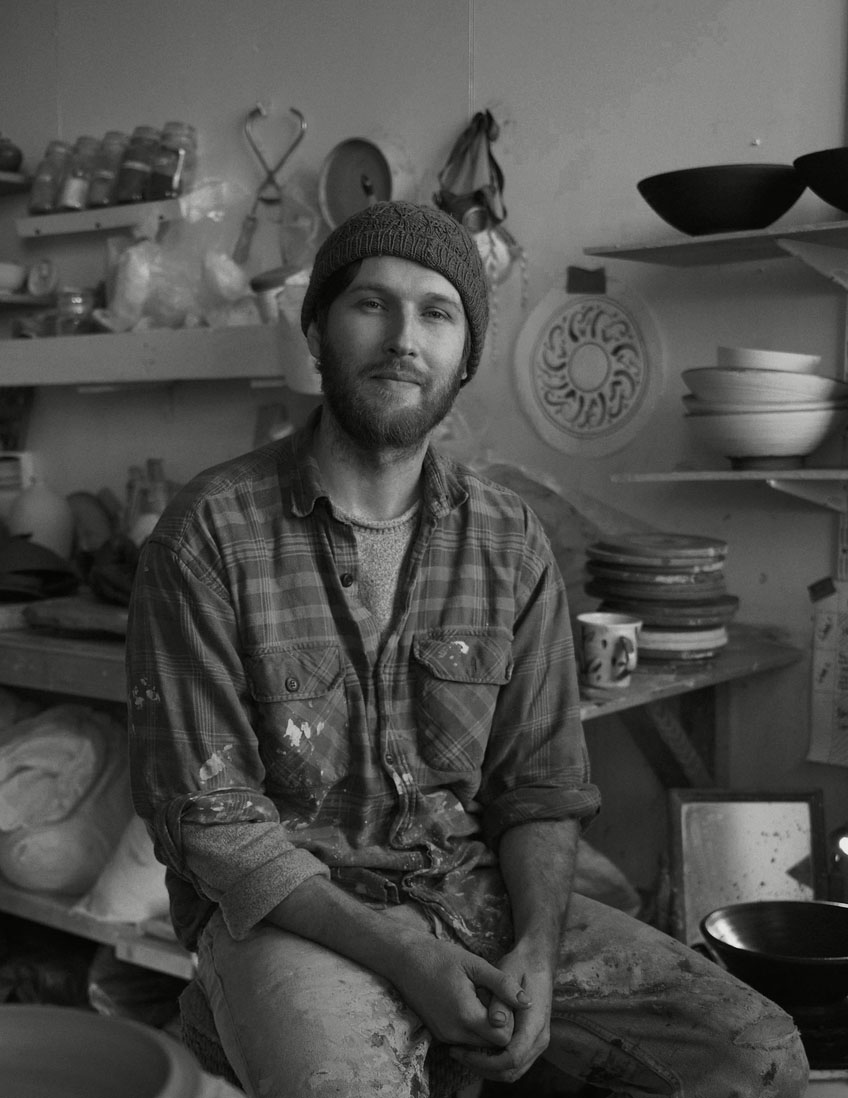
A man in a beanie and checked shirt sitting in a pottery studio by a Quill Lamp, with shelves of bowls and ceramics in the background.

Meet the Maker

Daniel Smyth is a Manchester-based ceramicist who works from the quiet, rhythmic center of the potter’s wheel. Raised in Bolton and refined by the heritage landscapes of Kilkenny and the studios of Camberwell, his journey is one of returning to the earth—finding a primary language in the “particularities” of clay.

His practice is a dialogue between the fine artist’s eye and the craftsman’s hands. Moving beyond simple utility, Smyth treats the ceramic form as a living canvas, layered with the echoes of drawing, printmaking, and the alchemy of glaze chemistry. In his hands, the clay is a medium of both immense frustration and deep captivation—a material pushed to its physical limits to find beauty in the balance.

From his studio in Ancoats to the galleries of Manchester and London, Smyth’s work captures the stillness of the craft, bridging the gap between the ancient tradition of the earth and the modern pulse of the city.